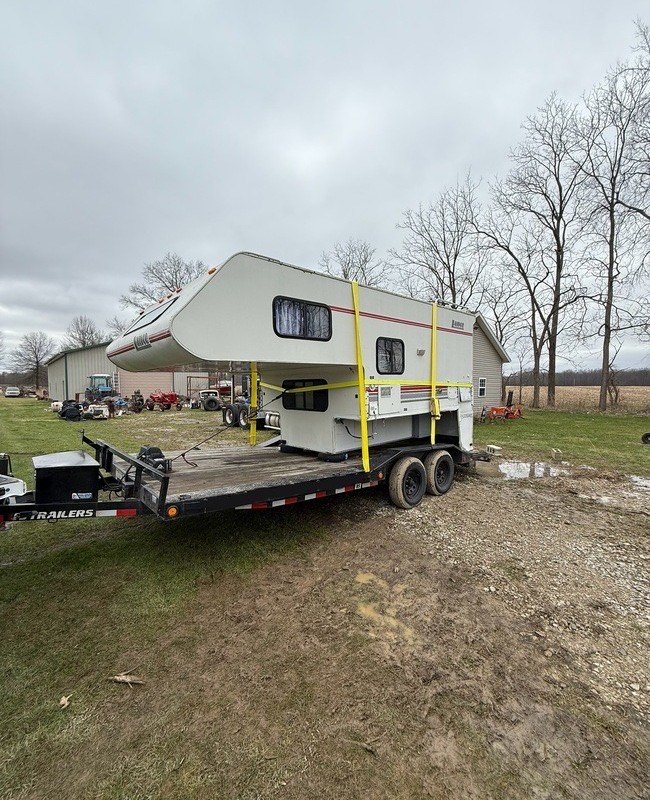
RV removal in Will, IL
Local RV removal support

Will, Illinois — Access and Condition Review

RV removal in Illinois is not standard junk hauling. Units parked through multiple winters often have soft floors, seized hitches, or flat-spotted tires. Suburban lots may have fence gates, overhead wires, or shared driveways that require planning before any equipment arrives.

What we handle

RV and Camper Types We Handle

Class A, B, and C motorhomes

— including non-running units requiring flatbed or wheel-lift equipment

Fifth wheels

— oversized pin-box units common on farm properties with wide lots but soft ground

Travel trailers and toy haulers

— often stored in suburban side yards with limited swing room

Pop-up and folding campers

— frequently water-damaged from outdoor winter storage

Truck campers and slide-ins

— detached or stuck units needing special handling
Removal details

Practical RV removal help in Will

In Will, freeze-thaw cycles split seams, rot subfloors, and crack holding tanks. A camper that looks intact outside may be structurally compromised. Junk RV Removal assesses salvage value, strips reusable parts where practical, and routes remaining material to recycling or licensed disposal — not just a landfill drop.

Free RV removal may be possible for units with intact titles and enough scrap or resale value to offset haul costs. Heavily rusted frames, missing axles, or units crushed under storm debris typically require paid removal. Whether your unit qualifies depends on condition, weight, and access difficulty.

Pricing factors include unit size and weight, whether it rolls or must be dragged, distance from a clear staging point, and disposal fees tied to hazardous materials like fuel or refrigerants. Alley-only access or soft farm ground may add equipment cost. Submit photos and measurements for an accurate quote.

Having a clear title speeds up the process in Illinois. If the title is lost or the unit is in an estate, options may still exist — describe the ownership situation in your quote request. We do not make legal determinations, but we can explain what paperwork is typically needed before a unit leaves a property.

Property managers, HOAs, storage yards, and landlords in Will County can request removal of units left behind by previous tenants. Provide documentation of your authorization over the property when requesting a quote.

We plan for Illinois access realities — alley clearances, frozen ground, overhead obstructions, and rural lot conditions — before dispatch. Quotes reflect actual equipment needs, not a flat rate adjusted after arrival. No bait-and-switch pricing on tight-access jobs.

Homeowners clearing suburban storage, farmers reclaiming yard space, estate executors, RV park operators, storage facility managers, and commercial property owners across Will County and surrounding areas.

How it works

How the Removal Process Works

01

Submit details

— share photos, unit dimensions, title status, and access description via the quote form.

02

Receive a quote

— get a clear paid or free-eligible figure based on your specific unit and lot.

03

Schedule pickup

— confirm a date that works; we bring the right equipment for your access situation.

04

Haul and dispose

— the unit is removed, fluids are handled properly, and salvageable material is recycled where possible.
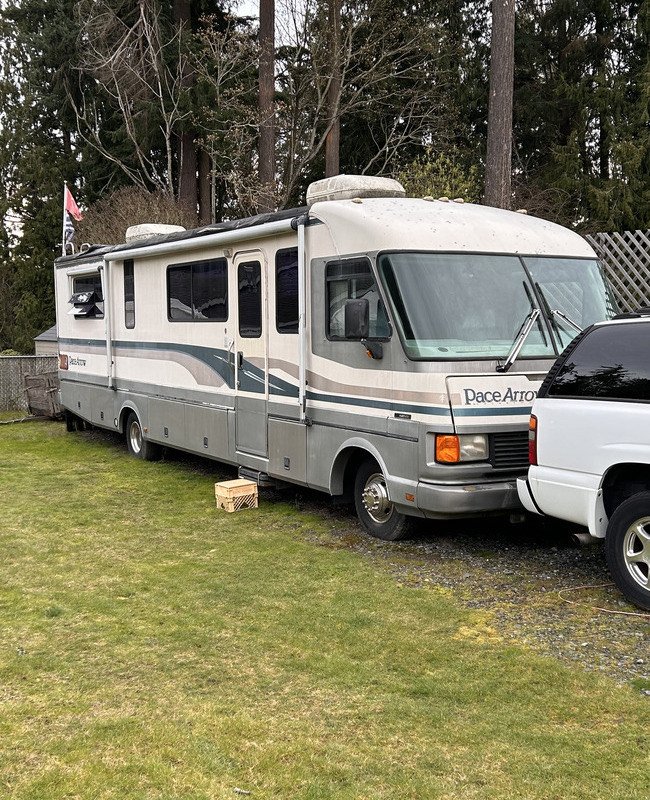
Camper pickup in Will

Share Your Unit Details

To quote your removal accurately, include: RV type and length, running or non-running status, visible damage or rot, title in hand (yes/no), access type (driveway, alley, field), and your location in Will, Illinois.

It may qualify if the frame and axles have enough scrap value. Units with severe rust, missing components, or biohazard issues typically fall into paid removal.

Tight alley and driveway access is common in Illinois suburbs. We assess clearance requirements from your photos and bring appropriate equipment. Extremely restricted access may affect cost.

Soft or uneven ground affects equipment selection and may add cost. Describe ground conditions and whether the unit still rolls when you submit your request.

Title situations vary. Describe your ownership or authorization in the quote form and we will explain what is typically required before the unit can be hauled.