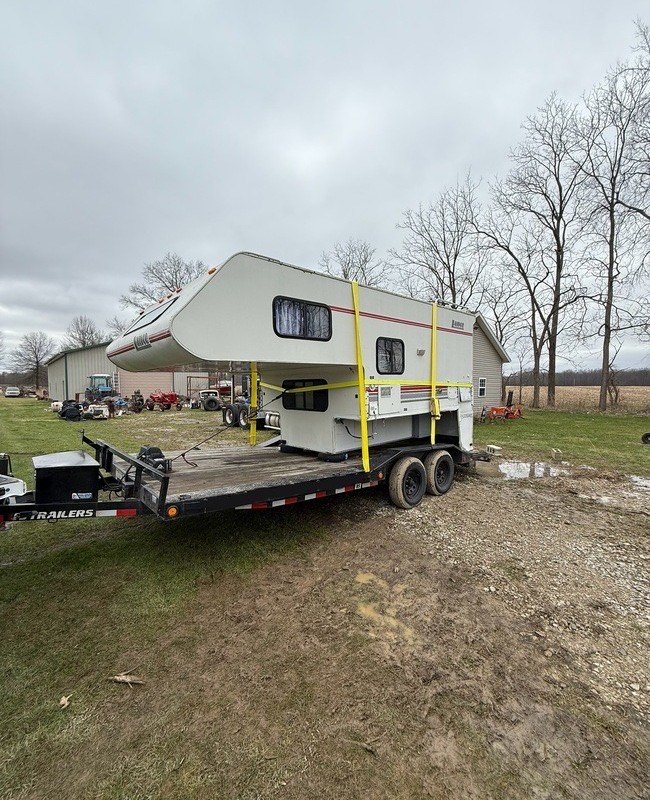
RV removal in Washington, DC
Local RV removal support

Washington Urban Access and RV Removal

Dense DC corridors make RV removal different from standard junk hauling. Overhead clearances, loading restrictions, and metered parking blocks require scheduling precision and the right tow equipment before any pickup is confirmed.

What we handle

RV and Camper Types We Handle

Class A and Class C motorhomes

— require alley clearance checks and loading-zone coordination before arrival.

Fifth wheels

— kingpin disconnection and tight-turn routing planned in advance.

Travel trailers

— hitch condition assessed; flat or seized tires handled with wheel dollies.

Pop-up and folding campers

— compact but often stored in gated lots requiring property manager authorization.

Truck campers

— slide-off equipment arranged when the host truck is unavailable.
Removal details

Practical RV removal help in Washington

A camper sitting in Washington collects moisture damage, mold, and structural rot quickly in the mid-Atlantic climate. Salvageable metal and components go to recycling; hazardous materials are separated before disposal. Full site cleanup is included so the parking space or alley is cleared and ready.

Free pickup may qualify when a unit holds enough scrap or resale value to offset hauling costs. Heavily deteriorated rigs, units with mold, or vehicles requiring special rigging in constrained spaces typically fall under paid removal. Submitting photos and access details lets us confirm which applies to your unit.

Pricing factors include unit size, structural condition, title status, and site access. Alley-only approaches, permit requirements, or crane rigging add to base costs. Scrap value may offset part of the fee for qualifying units. No fixed price is quoted without reviewing your specific location and rig details.

A transferable title simplifies removal scheduling. Without one, a bill of sale or written property-owner authorization may be accepted depending on the situation. Lien holders or missing titles require resolution before pickup. We do not provide legal title advice; confirm your documentation status before requesting a pickup date.

Property managers, HOAs, landlords, and commercial lot operators in Washington can submit removal requests for abandoned units. Written authorization from the responsible party is required before scheduling.

We pre-plan access routes, confirm overhead clearances, and coordinate permit windows before dispatching equipment. Quotes reflect real site constraints, not estimates adjusted on arrival. Urban DC pickups are scheduled with loading-zone and alley logistics already resolved.

Homeowners, landlords, property managers, storage facilities, auto dealers, HOAs, and commercial lot operators with junk or abandoned RVs and campers.

How it works

How RV Removal Works

01

Submit details

— unit type, dimensions, condition, title status, and site access including alley width or loading restrictions.

02

Quote issued

— we confirm cost or free-pickup eligibility based on scrap value and access complexity.

03

Schedule pickup

— arrival window set around parking permits or loading-zone hours.

04

Removal and disposal

— unit towed, dismantled, recycled, or disposed of; site left clear.
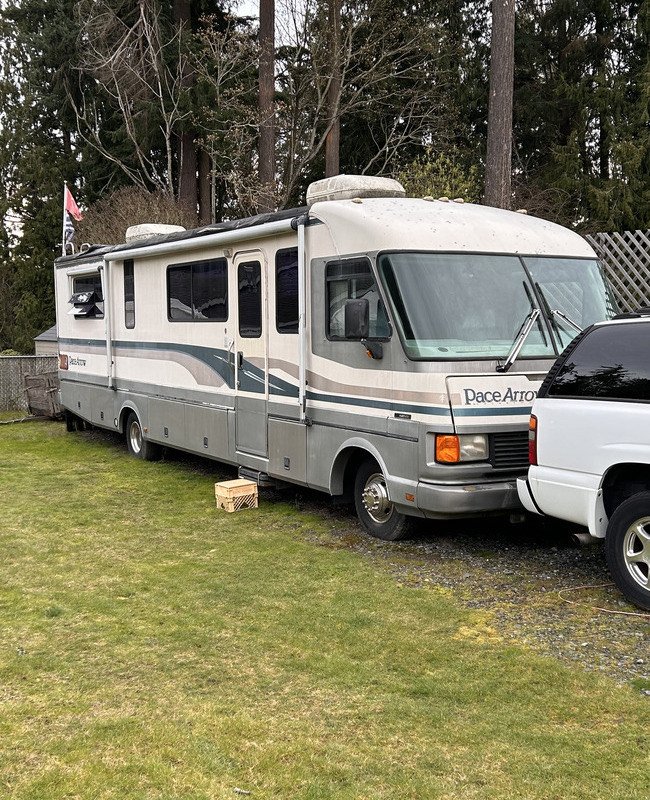
Camper pickup in Washington

Submit Your RV Details

To quote your removal accurately, include: RV type and approximate length, current condition and damage notes, title availability, site address, and any access restrictions such as alley-only entry, low clearances, or permit-required zones.

It may be possible for units with sufficient scrap or resale value. Deteriorated or access-constrained rigs often require a paid removal fee. Photos and site details confirm eligibility.

Yes. Alley pickups are common in DC. Width, overhead clearance, and any posted restrictions must be shared upfront so the right equipment is dispatched.

A bill of sale or owner authorization may be sufficient in some cases. Confirm your documentation before scheduling; missing titles can delay pickup.

Loading-zone permits and tight-corridor logistics may require a few days of lead time. Submit details early to hold a scheduling window.