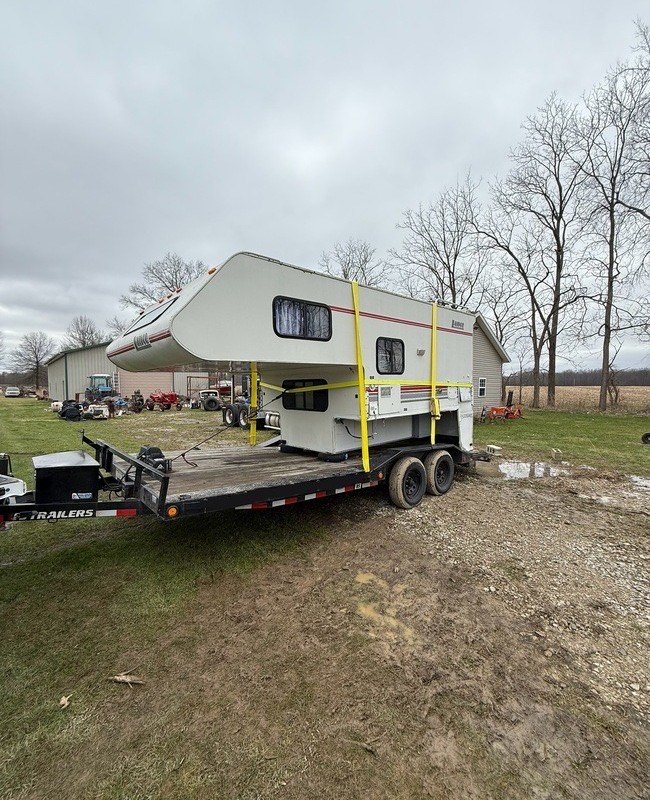
RV removal in Stuart, VA
Local RV removal support

Why RV Removal in Virginia Is Different

Standard junk haulers are not equipped for a 10,000-pound motorhome stuck behind a fence line or a camper sinking into a rural field. RV removal requires tow rigging, heavy equipment, and disposal routes built around oversized units—not curbside pickup assumptions.

What we handle

RV and Camper Types We Handle

Class A, B, and C motorhomes

— including seized-engine units needing a flatbed or skid steer extraction.

Fifth wheels

— oversized rear overhangs require clearance checks on rural lanes and older neighborhood streets.

Travel trailers and pop-ups

— common on storage rules-restricted HOA lots and private acreage.

Toy haulers

— heavy frames and ramp doors add rigging complexity.

Truck campers

— removed from the bed or from the ground if already dismounted.
Removal details

Practical RV removal help in Stuart

Humidity, freeze-thaw cycles, and long-term outdoor storage cause wood rot, frame rust, and roof delamination in Stuart units. A deteriorated camper cannot go to a standard landfill without assessment. Salvageable metal is separated for recycling, hazardous materials are handled appropriately, and the cleared site is left ready for its next use. Disposal routing is confirmed before pickup, not after arrival.

Free RV removal may be possible when a unit retains enough scrap or resale value to offset hauling costs. Towable campers in reasonable structural condition may qualify. Severely rotted, flooded, or stripped units typically require paid disposal. Value depends on size, metal content, and current scrap rates—not assumptions made before a quote.

Pricing inputs include unit size and weight, site access difficulty, title status, and disposal category. A motorhome on a paved driveway costs less to remove than one parked on a slope or behind a locked gate on rural acreage. Junk RV Removal builds quotes from actual conditions—no flat-rate guesses sent before site details are reviewed.

A clear title speeds up RV removal and may expand disposal options. If a title is lost, a Virginia bonded title or replacement process may apply—confirm with the DMV before assuming the unit cannot be moved. Authorization documents from property owners, estates, or lienholders are reviewed during the quote stage, not at the curb.

HOAs, storage yards, RV parks, landlords, and commercial lot owners in Virginia face abandoned campers that block usable space. Document ownership attempts, photograph the unit, and contact us—we handle extraction logistics once authorization is confirmed.

We focus exclusively on oversized RV and camper hauling—not general junk. That means the right equipment for soft-ground rural lots, tight older-neighborhood access, and coastal or mountain properties with limited road clearance. Quotes reflect real access conditions, and scheduling accounts for equipment lead time so removal day has no surprises.

Homeowners, estates, landlords, HOAs, RV storage facilities, auto dealers, and commercial property managers throughout Virginia use our service to clear units that standard haulers cannot handle.

How it works

How RV Removal Works

01

Submit details

— unit type, condition, access description, and title status using the form below.

02

Receive a quote

— pricing is based on your specific site and unit, not a generic range.

03

Confirm the date

— scheduling accounts for access constraints and equipment needs.

04

Removal day

— the crew arrives with the right tow or extraction equipment for your property type.

05

Disposal and cleanup

— the unit is routed to recycling, salvage, or disposal and the site is cleared.
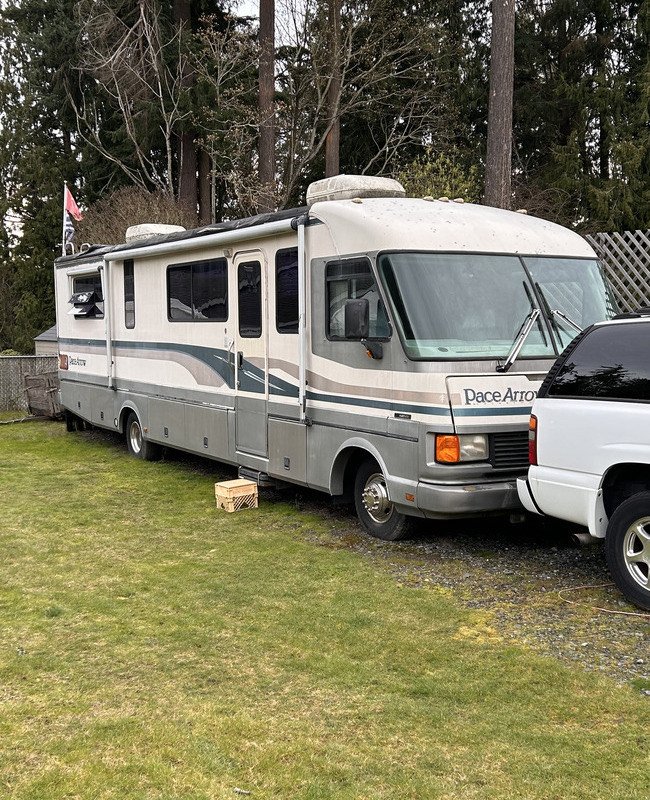
Camper pickup in Stuart

Request Pickup Details

To prepare your quote, provide: RV or camper type and approximate year, visible condition and known damage, driveway or lot access description, title availability, and your location in Patrick County.

No. Rotted floors, delaminated walls, and mold-affected units are handled regularly. Severe deterioration affects cost and disposal routing, not whether removal is possible.

It depends on remaining scrap value and access difficulty. Remote or soft-ground sites increase hauling cost, which may offset scrap credit. A quote confirms the balance.

Access constraints are factored into equipment selection and scheduling. Narrow lanes, unpaved paths, and elevation changes are addressed in the quote before a crew is dispatched.

HOA move-out windows and gate access hours are noted during scheduling so the removal crew arrives within the permitted timeframe.