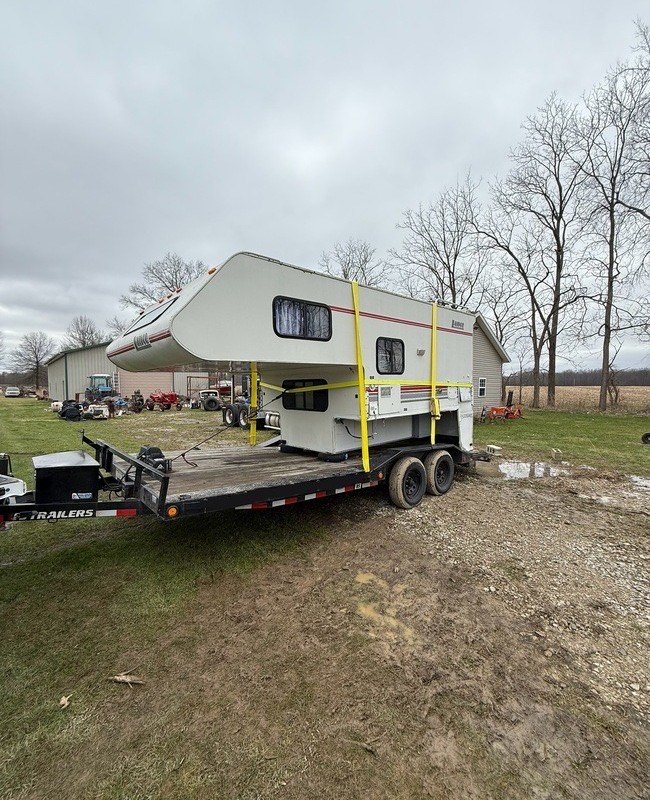
RV removal in Sidney, NE
Local RV removal support

Sidney RV Removal — Not Standard Junk Hauling

An RV is not a couch or appliance. Rotted frames, flat-spotted tires, and units sunk into loose gravel require rigging equipment and a plan before anything moves. Standard junk haulers are not equipped for that.

What we handle

RV and Camper Types We Handle

Class A and Class C motorhomes

— large units often stored on gravel pads or farm driveways, requiring heavy tow equipment.

Fifth wheels

— pin-hitch units with seized landing gear need specialized rigging when jacks have failed.

Travel trailers

— common on open lots; wind exposure causes sidewall separation and soft floors.

Pop-up and tent campers

— canvas rot and bent lift systems are typical after outdoor storage.

Truck campers and van conversions

— smaller units with easier access but still needing proper disposal.
Removal details

Practical RV removal help in Sidney

Wind-driven moisture warps floors and rusts frames fast on exposed lots. A unit stored outside through multiple hard winters may have compromised axles, seized brakes, or a roof that cannot bear weight. Junk RV Removal assesses salvage value, separates recyclable metal, and handles disposal so the lot is cleared without leftover debris.

Free RV removal may be possible when a unit has recoverable scrap metal or resalable components that offset hauling costs. Units with heavy rust, stripped interiors, or extensive wind damage often carry little salvage value — those typically require paid removal. Eligibility depends on unit condition, size, and current scrap pricing.

Gravel road access, soft or muddy ground, unit weight, and tow-readiness all affect the quote. A motorhome with locked axles on a remote farm road costs more to extract than a trailer on a paved lot. Title status and disposal fees also factor in. Submit details for an accurate number.

A clean title speeds up the process, but many junk units have lost, expired, or transferred paperwork. Junk RV Removal can work with you on documentation requirements, but you must be the owner or have documented authorization to release the unit. Do not assume paperwork issues are a barrier — disclose them upfront in your quote request.

Property owners, storage yards, RV parks, landlords, and HOAs all encounter abandoned units. Authorization and notice requirements vary. Share your situation in the quote form — we handle commercial and residential abandoned-unit pickups.

We plan for gravel driveways, soft farm ground, and units that have not moved in years. Equipment is matched to the job before arrival. Quotes are built on real access and condition details — not guesswork — so there are no surprises on removal day.

Farmers and rural landowners, residential homeowners, storage facility operators, RV parks, estate executors, and commercial property managers dealing with unwanted or abandoned RVs and campers.

How it works

How RV Removal Works

01

Submit details

— unit type, dimensions, condition, title status, and access description including road surface.

02

Receive a quote

— paid or free pickup determination based on submitted information.

03

Schedule pickup

— confirm a date; we arrive with the right equipment for your access conditions.

04

Haul and dispose

— the unit is removed, metal is separated for recycling, and remaining materials go to licensed disposal.

05

Lot cleared

— confirmation once the unit and any debris are gone.
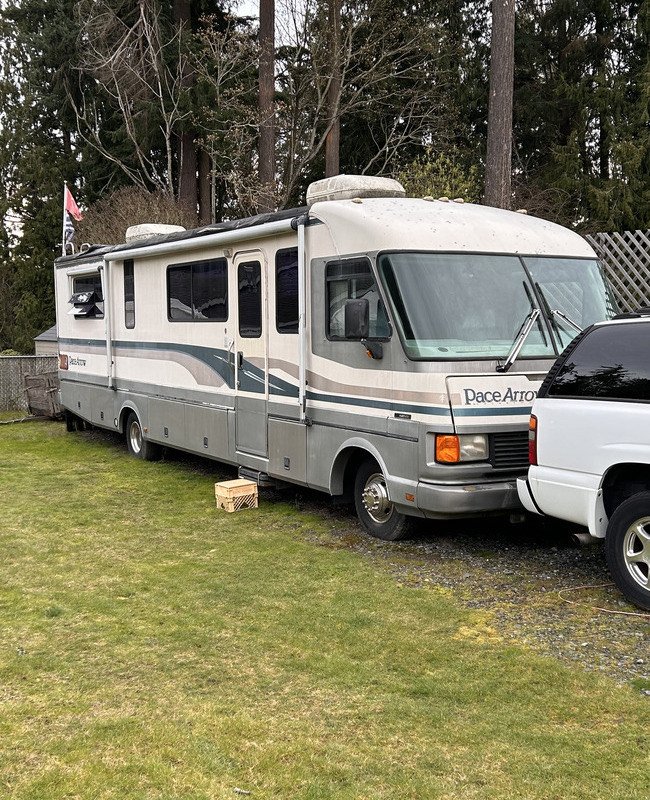
Camper pickup in Sidney

Request Pickup Details

Provide: unit type and length, condition and damage description, title status (held, lost, or unknown), driveway or lot surface, and your contact information. The more detail, the faster the quote.

Free pickup may qualify when salvage value covers haul costs. Wind-damaged or heavily rusted units often do not meet that threshold — paid removal applies in those cases.

That is common on farm lots. We bring equipment rated for non-rolling units. Disclose this upfront so the right gear is dispatched.

Yes. Soft or wet ground can delay or change equipment needs. Include road surface and any seasonal access issues in your quote request.

Title or proof of ownership authorization is typically required. Lost titles are not automatic disqualifiers — explain the situation and we will outline what documentation is needed.