RV removal in Mission, OR
Local RV removal support

Mission Access and Condition Review

Oregon's wet climate means RVs left outside deteriorate faster than in drier states — floors rot, frames rust, and tires sink into soft ground. Standard junk haulers rarely carry the rigging or low-clearance equipment needed to free a unit from a muddy or tree-lined lot. A condition and access review is the first step before any removal is scheduled.

What we handle

RV and Camper Types We Handle

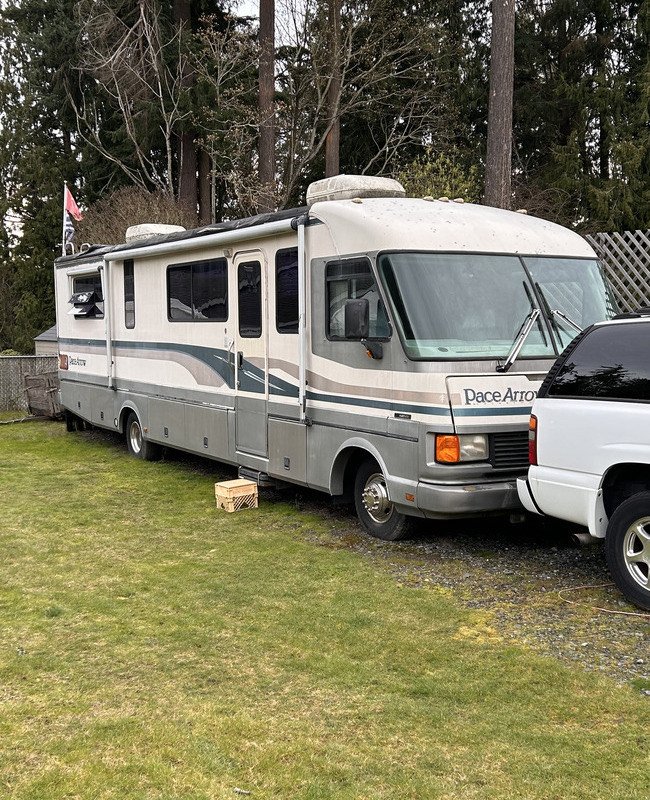
Class A and Class C motorhomes

— large rigs on coastal lots or urban storage yards, often requiring permits or neighbor coordination for street access.

Fifth wheels and travel trailers

— frequently found on wooded acreage where overhead branches and soft soil create rigging challenges.

Pop-up and folding campers

— prone to severe mold damage in high-humidity environments; handled with proper containment.

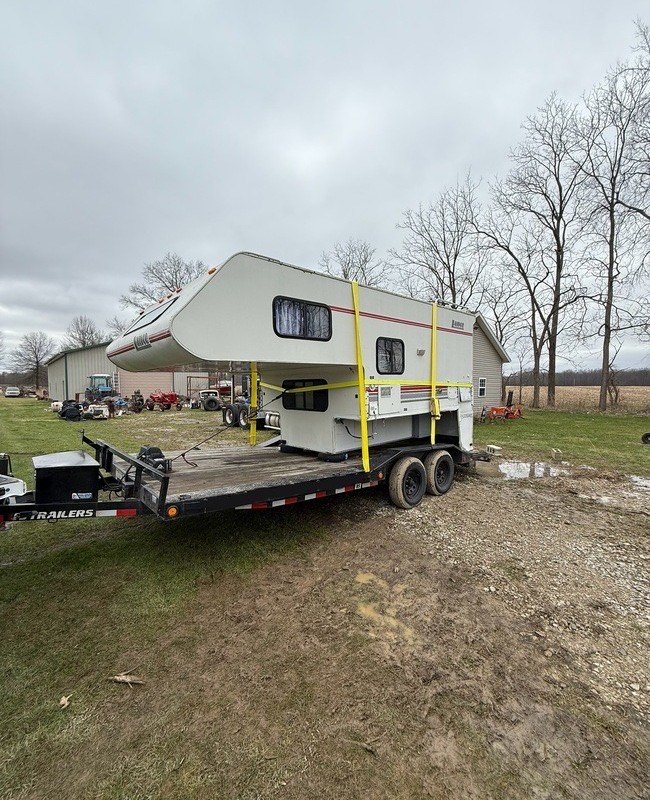
Truck campers and slide-ins

— assessed for separation from the truck bed before hauling.
Removal details

Practical RV removal help in Mission

Units left on Mission properties through multiple rainy seasons often have waterlogged subfloors, corroded chassis, and mold throughout. Salvageable metal and aluminum are separated for recycling; compromised materials go to licensed disposal facilities. A clear plan covering site cleanup, recycling, and final disposal is built before the crew arrives — not improvised on removal day.

Free RV removal may be possible when a unit holds enough scrap or resale value to offset hauling costs. Heavily water-damaged rigs, units on difficult-access lots, or campers requiring dismantling on-site will likely involve a removal fee. Value depends on size, metal content, condition, and site access — not on a blanket policy.

Pricing factors include the unit's size and weight, degree of rain or rot damage, distance from a paved road, and whether dismantling is needed before the rig can move. Coastal lot corrosion and wooded-property access restrictions both raise complexity. Quotes are built from your specific details — no flat rates are published because no two removals share the same site conditions.

A matching title in your name simplifies the release process. Missing, lost, or out-of-state titles are common and do not automatically block removal, but paperwork gaps add time. If you are not the registered owner — an estate, landlord, or property manager — bring documentation showing your authorization. Junk RV Removal can outline what is typically needed, though title requirements are set by the state and not by us.

Property owners, RV park operators, storage yards, HOAs, and commercial landlords all face abandoned-unit situations. Before removal can proceed, verify you have documented authority to authorize haul-off. We can remove the unit once that authorization is confirmed.

We focus exclusively on RVs and campers — not general junk. That means crews familiar with stuck slides, rusted hitch pins, and low-clearance wooded lots. Quotes reflect real access conditions rather than a generic price list. If a unit genuinely qualifies for free pickup, that is stated upfront; if it does not, the fee and reason are explained clearly before scheduling.

Homeowners, rural acreage owners, RV parks, storage facilities, estate executors, property managers, and commercial lot operators throughout the region — anyone holding a unit that has outlasted its usefulness.

How it works

How RV Removal Works

01

Submit details

— unit type, overall condition, title status, and a description of site access including road surface and overhead clearance.

02

Receive a quote

— free or paid removal is confirmed based on the information provided.

03

Schedule pickup

— a crew with appropriate towing or rigging equipment arrives at the agreed time.

04

Removal and cleanup

— the unit is hauled off; salvageable materials go to recycling and the remainder to a licensed facility. The site is left clear.
Camper pickup in Mission

What to Include

  • RV or camper type and approximate year
  • Visible damage or deterioration (water, rot, fire, collision)
  • Title status — present, missing, or unknown
  • Site access — paved road, gravel, muddy, gated, tree-lined
  • Your contact name and phone number or email

It may qualify if enough metal or structural value remains after water damage. Severely rotted units with little salvageable material typically require a paid haul.

Wooded and restricted-access lots are handled regularly. Describe overhead clearance and ground conditions in your quote request so the right equipment is dispatched.

Salt-air corrosion affects structural integrity and rigging approach, which can influence the removal fee. Sharing photos helps produce an accurate quote.

Not automatically. Missing titles are common. Paperwork options depend on your ownership situation; outline your authorization details when you submit the request.