RV removal in Rhode Island
Removal overview

Rhode Island RV Removal Overview

Rhode Island's compact geography means RVs pile up fast — squeezed into narrow driveways, perched on small coastal lots, or left in seasonal storage past their usefulness. Standard junk haulers lack the equipment and knowledge to handle large, non-rolling units safely. RV removal requires specialized towing, access planning, and a clear disposal path.

What we remove

RV and Camper Types We Handle

Rhode Island's tight neighborhoods and soft coastal soil create real access challenges. We evaluate clearance, ground conditions, and unit mobility before scheduling so there are no surprises on removal day.

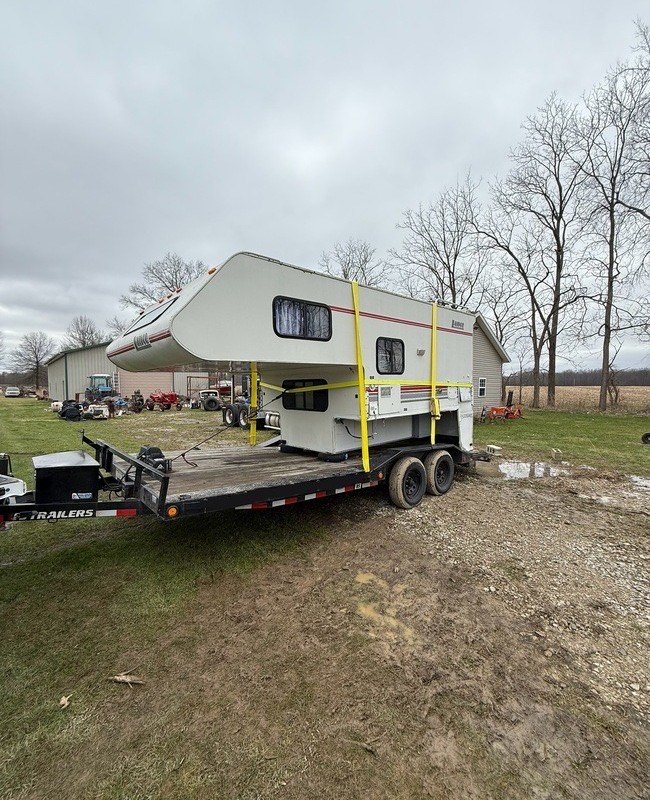
Travel trailers and pop-up campers

Class A, B, and C motorhomes

Fifth wheels and toy haulers

Truck campers and slide-in units

Removal details

What to expect in Rhode Island

Flood-damaged, rotted-out, or stripped-down RVs still have disposal value through salvage and metal recycling. We assess what's recoverable — frame, axles, aluminum — and route units accordingly. Hazardous materials like old fuel, batteries, and refrigerants are handled through proper disposal channels before scrapping.

Free pickup may qualify when a unit has clear title, accessible location, intact tires, and enough salvage or resale value to offset haul costs. Units with structural damage, missing wheels, blocked access, or high disposal costs typically require a paid removal quote. We'll tell you which applies after reviewing your details.

Pricing depends on unit size, weight, mobility, access difficulty, and disposal path. A towable trailer on a paved driveway costs less than a non-rolling motorhome on soft ground. Salvage value may offset or eliminate fees for qualifying units. Submit details for an accurate quote — no fixed prices without a full assessment.

A valid title speeds up the process and may improve removal terms. Lost titles can often be resolved before pickup. If you're a landlord, estate executor, or property manager, we need documented authorization showing your right to authorize removal. We do not make legal determinations — consult an attorney if ownership is disputed.

  • Residential driveways and small lots
  • Coastal and waterfront properties
  • Seasonal storage yards
  • RV parks and campgrounds
  • Landlord and estate properties
  • HOA and commercial lots

Flat tires, seized brakes, missing axles, or soft ground don't stop removal — they change the method. We handle on-site dismantling when a unit can't be towed out whole. Low-clearance driveways and coastal soft soil common in Rhode Island require equipment and approach planning before arrival, not after.

General haulers often turn away large or non-rolling RVs. Junk RV Removal brings the right equipment, access knowledge, and disposal connections to handle units standard services won't touch. Honest quotes upfront — no hidden fees after arrival.

How it works

How the Removal Process Works

01

Submit details

— unit type, size, location, mobility, and title status via the quote form.

02

Get a quote

— free or paid options explained clearly based on your specifics.

03

Schedule pickup

— we confirm access requirements and arrival window.

04

Removal day

— unit is towed, hauled, or dismantled on-site as needed.

05

Disposal

— salvage, recycling, or licensed disposal handled after haul-out.
RV removal process in Rhode Island
Service areas

Rhode Island RV Removal Service Areas

Junk RV Removal reviews requests across Rhode Island. Choose your city below to find local RV removal information, camper disposal options, cost factors, title questions, and nearby service areas.

Request Your RV Removal Quote

Provide the following so we can respond quickly:

  • RV or camper type (motorhome, trailer, fifth wheel, etc.)
  • Approximate length and weight if known
  • City or zip code in Rhode Island
  • Does it roll? Flat tires, seized brakes, or missing wheels?
  • Title status — have it, lost it, or unknown
  • Property type (residential, storage lot, RV park, etc.)
  • Your name and best contact method

It depends on title status, unit condition, access, and salvage value. Units that are towable with clear title may qualify. Heavily damaged or hard-to-access units typically require a paid quote.

Yes. Soft ground and tight access are common on Rhode Island coastal properties. We assess conditions before scheduling to bring the right equipment.

Missing titles can sometimes be resolved before pickup. Let us know your situation in the quote form and we'll explain the options available.

Yes. Seized brakes, flat tires, and overgrown surroundings are handled regularly. On-site dismantling is available when towing isn't feasible.