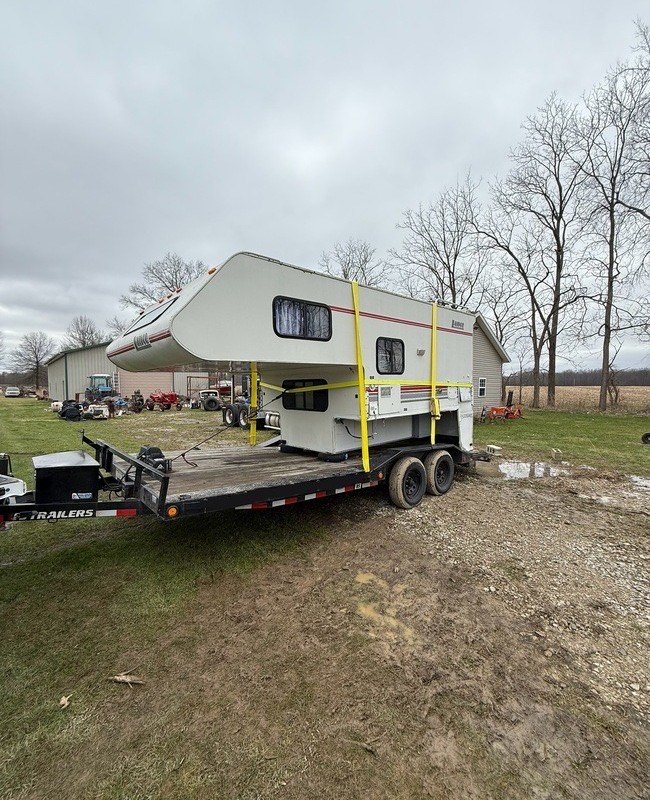
RV removal in Friendly, MD
Local RV removal support

Friendly RV Removal: What Makes It Different

RVs outweigh standard junk by tons and often sit in spots built for passenger vehicles. Coastal humidity, bay-area salt air, and dense suburban layouts add access and structural concerns that standard junk haulers are not equipped to manage.

What we handle

RV and Camper Types We Handle

Class A and Class C motorhomes

— large units requiring equipment suited for narrow suburban streets and low-clearance storage areas.

Fifth wheels and travel trailers

— often stored on residential pads or in coastal lots with limited turnaround space.

Pop-up and folding campers

— frequently water-damaged and structurally soft from repeated exposure to bay-area humidity.

Toy haulers

— heavy combined units that need weight assessment before hauling.
Removal details

Practical RV removal help in Friendly

Units left outdoors in Friendly face accelerated frame rust, mold from bay-area moisture, and roof delamination. A deteriorated camper cannot simply be towed—it may need partial dismantling before transport. We assess salvageable metal, arrange responsible recycling where possible, and leave the pad clear after removal.

Free RV removal depends on the unit's age, metal content, and condition. A towable with recoverable scrap value may qualify. A water-logged motorhome with little salvageable material likely requires a paid haul. We confirm which applies after reviewing your unit's specifics—no blanket promises either way.

Pricing factors include unit size and weight, access constraints such as tight driveways or overhead obstructions, structural integrity, and disposal fees at the receiving facility. Coastal or waterfront locations may add equipment staging time. Submit your address and unit details for an accurate quote.

A clear title speeds the process, but missing paperwork does not automatically block removal. Authorization from the documented owner or property manager is required. If a title is lost or the unit has a lien, disclose that upfront so the quote accounts for any additional steps. We do not provide legal title advice—consult the appropriate Maryland agency for official guidance.

HOAs, storage yards, RV parks, and landlords across Prince George's County face abandoned units regularly. We work with property managers and commercial lot operators to coordinate removal after proper authorization is confirmed.

We bring RV-specific equipment, not a standard dump truck. Our crews plan for low-clearance entries, soft ground near waterfront lots, and HOA access windows. Quotes reflect actual site conditions so there are no surprise charges when we arrive.

Homeowners, landlords, HOAs, storage facility operators, RV parks, and commercial property managers throughout Prince George's County use our service to clear units that standard haulers decline.

How it works

How RV Removal Works

01

Submit details

— unit type, dimensions, condition, title status, and site access.

02

Receive a quote

— firm pricing based on your specific inputs, not a generic estimate.

03

Schedule pickup

— we confirm a date and bring appropriate equipment for your property type.

04

Removal and disposal

— the unit is hauled, processed for salvage or recycling where applicable, and the site is left clear.
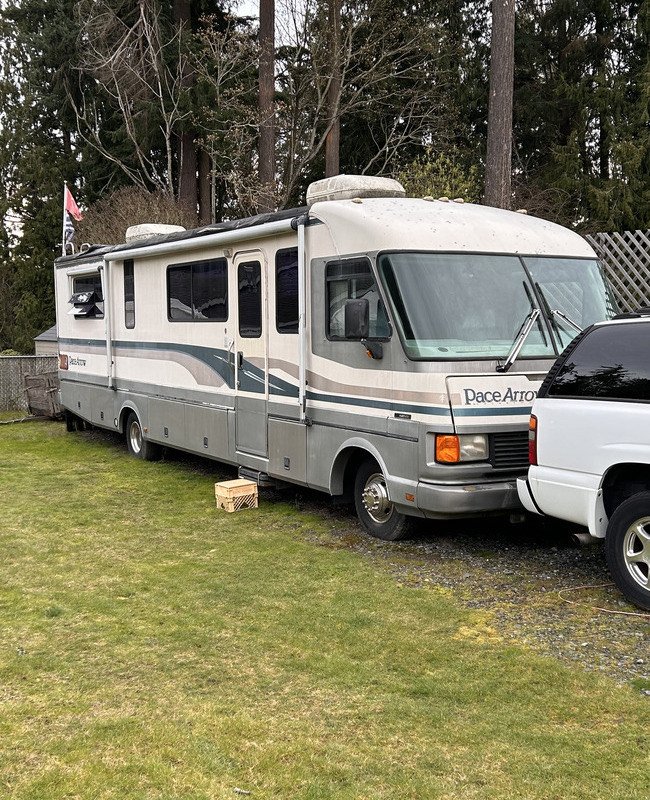
Camper pickup in Friendly

Request RV Removal

Include: RV or camper type, approximate length, current condition, title status (clear, missing, or liened), property access notes, and your contact information. Faster detail means a faster quote.

It may qualify if the unit has sufficient scrap or salvage value. Condition, size, and access all factor in—request a quote to find out.

Heavily deteriorated units often require paid removal because recovery value is low. Disclose damage upfront so the quote is accurate.

Yes. We account for access windows, overhead clearance, and narrow entries during scheduling—confirm the restrictions when you submit your request.

Most removals are scheduled within a few business days of quote acceptance, depending on equipment availability and site access requirements.