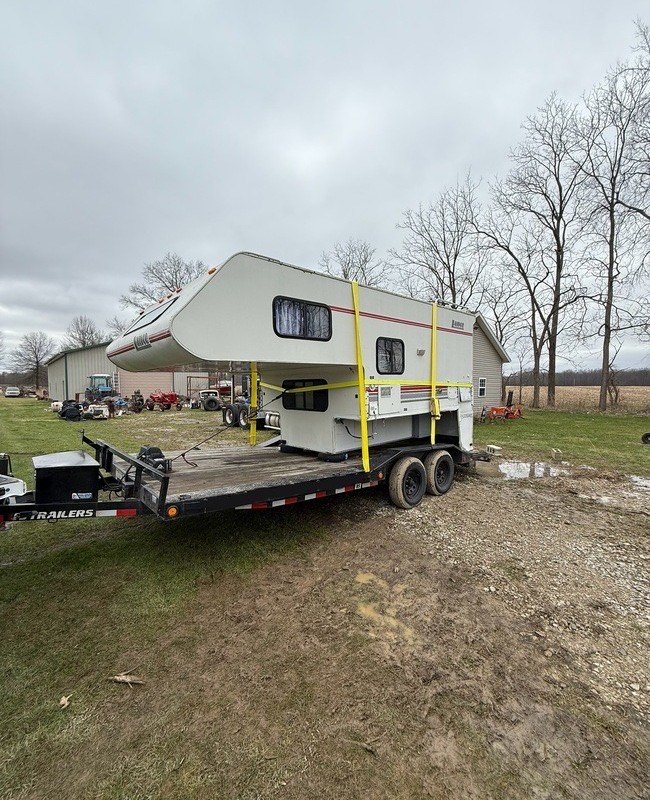
RV removal in DeForest, WI
Local RV removal support

DeForest Seasonal Storage and Damage Review

RV removal here differs from ordinary junk hauling. Seasonal campers stored through harsh winters develop frame rot, blown-out tanks, and structural failures that standard haulers won't touch. Access across soft ground, gravel farm lanes, or lakefront lots requires RV-specific equipment and planning before any pickup is scheduled.

What we handle

RV and Camper Types We Handle

Travel trailers

— including units frozen to the ground or stored on soft lakefront soil.

Fifth wheels

— oversized units on farm properties with limited lane clearance.

Pop-up and tent campers

— collapsed or water-damaged seasonal units.

Class A, B, and C motorhomes

— non-running, storm-damaged, or long-abandoned.

Truck campers

— dismounted units stored in barns or outbuildings.
Removal details

Practical RV removal help in DeForest

A camper that spent multiple winters in DeForest without heat or moisture control often has compromised floors, mold-saturated walls, and cracked holding tanks. Salvageable metal and components may offset disposal costs depending on condition. Units beyond salvage go to licensed recycling and disposal facilities. Site cleanup after removal is part of the haul-out plan.

Free pickup may be possible when a unit retains enough metal, parts, or structural value to offset haul costs. Units with severe freeze damage, mold, or collapsed rooflines typically require paid removal. A quote depends on unit type, condition, and site access. Submit details to find out which outcome applies to your camper.

Pricing reflects unit size, weight, freeze or water damage level, and whether the site requires special equipment to reach. Soft ground, narrow farm lanes, and steep lakefront grades add complexity. Titles or ownership documentation affect scheduling. No flat rates are quoted without knowing the full site and unit picture.

Having a title speeds up scheduling. Without one, authorization documentation or proof of ownership may be needed before removal proceeds. Junk RV Removal does not provide legal title advice, but knowing your paperwork status before requesting a quote helps avoid delays on pickup day.

RV parks, storage yards, HOAs, landlords, and farm property owners with abandoned campers left by others should describe the authorization situation in the quote request. Removal can often be arranged once proper documentation is in place.

We focus on RVs and campers specifically—not general junk. That means we arrive with the right equipment for frozen ground, tight farm access, and oversized units. Quotes reflect real site conditions, not guesswork. You get a clear answer on cost and scheduling before committing to anything.

Lake cabin owners, farm property holders, seasonal campground operators, storage facilities, HOAs, and landlords dealing with leftover or abandoned campers are all common customers.

How it works

How RV Removal Works

01

Submit details

— unit type, condition, location, and access constraints.

02

Receive a quote

— based on salvage potential, damage level, and site conditions.

03

Confirm scheduling

— agree on a removal date that fits your property timeline.

04

Haul-out day

— Junk RV Removal brings appropriate equipment and handles loading.

05

Disposal and cleanup

— unit goes to salvage, recycling, or licensed disposal; site is left clear.
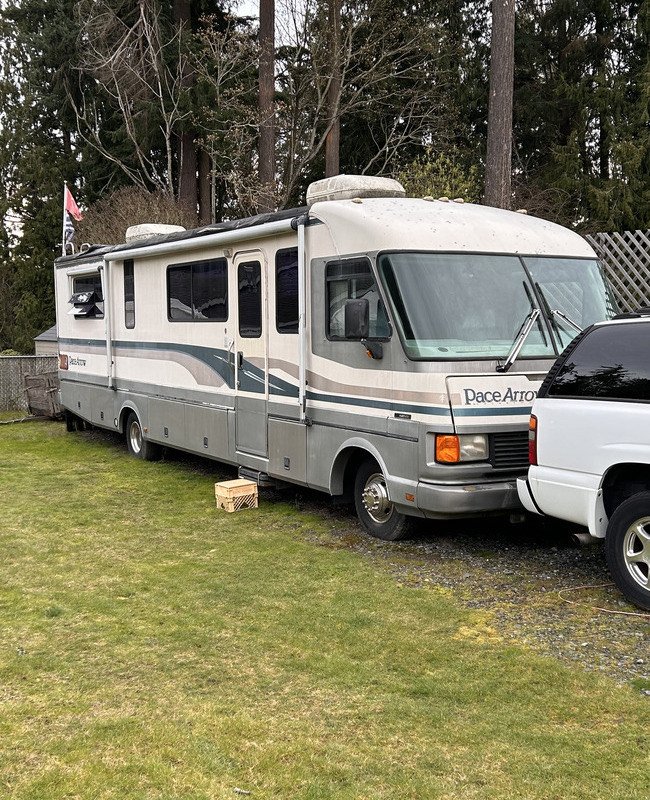
Camper pickup in DeForest

Get Your Quote Started

Provide: RV or camper type, current condition, title status, site address or general location in DeForest, and any access challenges such as soft ground or narrow lanes.

Free removal may qualify for units with usable salvage value. Units with heavy freeze damage or mold typically fall into paid removal. Condition and access both factor in.

Yes. Freeze-cracked frames, burst tanks, and collapsed roofs raise haul complexity and often reduce or eliminate salvage offset. Describe damage clearly when submitting.

Access difficulty is part of the quote. Equipment selection depends on soil conditions and lane width. Share site photos or a description so the right plan is made before arrival.

No, but title status affects scheduling. Knowing whether you have a title before submitting helps avoid delays once a quote is accepted.