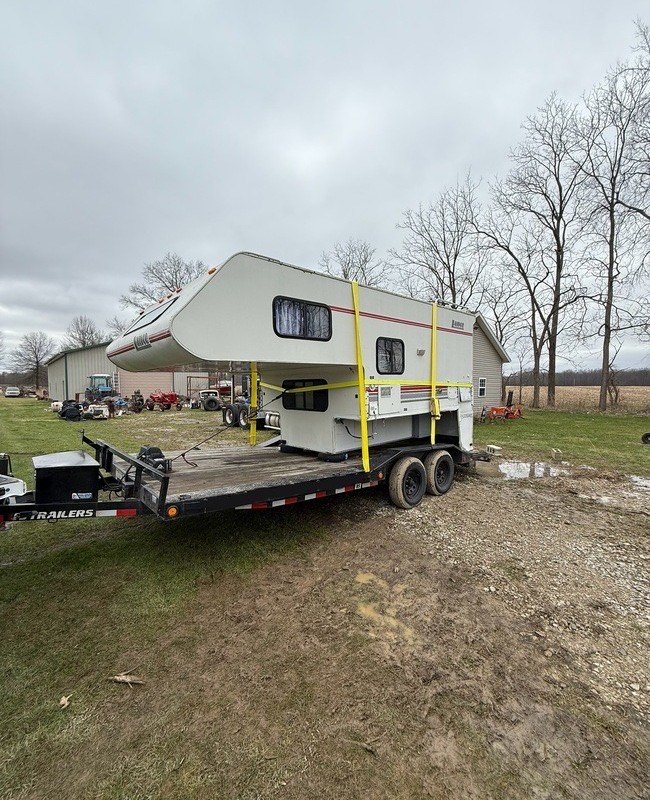
RV removal in Bear, DE
Local RV removal support

Bear RV Removal — Condition and Access Review

Removing a junk RV along the coast is different from standard junk hauling. Salt air accelerates frame rot, soft floors hide structural failure, and small-town lots often have overhead wires or low-clearance gates that limit what equipment can reach the unit.

What we handle

RV and Camper Types We Handle

All types accepted regardless of title status, running condition, or storm damage level.

Motorhomes (Class A, B, C):

Storm-damaged or non-running units with seized engines or flooded interiors.

Travel trailers and fifth wheels:

Often left on blocks after seasonal use; axle and hitch condition checked before towing.

Pop-up and tent campers:

Fabric rot and frame damage common after humid storage seasons.

Toy haulers:

Rear ramp and floor integrity assessed for safe loading.
Removal details

Practical RV removal help in Bear

Seasonal storage on coastal lots means many units sit unused for months, letting moisture and mold spread unchecked. Before disposal, we assess whether components—tanks, axles, appliances—can be salvaged or recycled. What remains goes to licensed disposal. Cleanup of the pad or driveway is part of the plan, not an afterthought.

Free RV removal may be possible when a unit retains enough metal or parts value to offset haul costs. Units with heavy rust, major flood damage, or missing components often do not meet that threshold. Whether your camper qualifies depends on its condition, size, and current scrap market rates—not a blanket policy.

Pricing reflects unit size, tow or crane access on your lot, distance to disposal, and salvage offset. A compact travel trailer in an open driveway costs less to remove than a 40-foot motorhome behind a fence. Sharing photos and measurements upfront gives you a more accurate quote faster.

Having a clean title speeds up removal scheduling. If the title is lost or the unit is in an estate, let us know upfront. We work with owners, authorized representatives, and property managers. We do not provide legal title advice, but we can tell you what documentation typically helps move the process forward in Delaware.

HOAs, RV parks, storage yards, and landlords managing units left by former tenants can request a quote. Bring documentation of ownership or authorization—removal of a unit you do not own requires proper authority before we schedule.

We specialize in RVs—not general junk. That means we bring the right tow capacity, know how to work around coastal lot constraints, and give honest quotes based on actual condition. No inflated estimates, no surprise fees at pickup for access issues we should have asked about in advance.

Homeowners clearing driveways, seasonal property owners, RV park operators, storage facilities, landlords, HOAs, and estate representatives across Bear and surrounding New Castle County communities.

How it works

How RV Removal Works

01

Submit details:

Unit type, size, condition, title status, and access constraints.

02

Get a quote:

Junk RV Removal reviews the information and returns a paid or qualifying free-removal offer.

03

Schedule pickup:

Confirm a date; we arrive with appropriate equipment for your lot.

04

Haul and dispose:

The unit is towed or dismantled on site, salvageable parts separated, and waste disposed of properly.

05

Confirm clearance:

You receive confirmation once the unit and debris are gone.
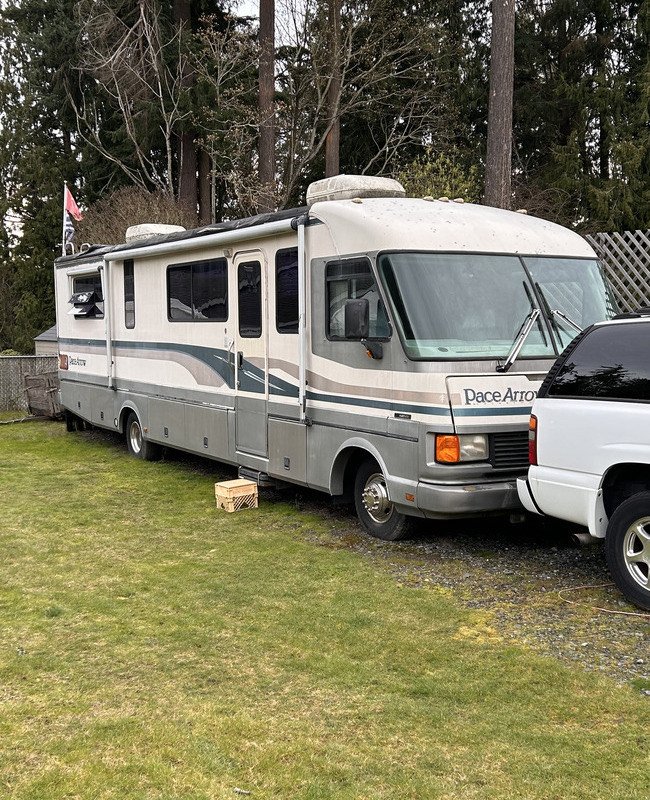
Camper pickup in Bear

Request Pickup Details

To quote your removal, share: RV type and length, running or non-running status, title availability, lot access constraints, and your contact info. Photos of the unit and access point help us quote accurately.

It may be possible if enough salvageable material remains. Heavy flood or salt-air corrosion often reduces value below the threshold for free removal.

Yes. Long-term coastal storage typically means soft floors, rust, and mold. These affect both the removal method and whether salvage offsets apply.

Not always, but having it ready speeds things up. If the title is missing or the unit is part of an estate, share that upfront so we can plan accordingly.

Access details change equipment and labor needs. Describe the site when you request a quote so the estimate reflects actual conditions.